 238 clicks
To enhance operational efficiency and accelerate market responsiveness, the company has implemented a comprehensive internal restructuring and process optimization initiative over the past one year. Anchored in three strategic pillars—manufacturing specialization, functional integration, and management systematization—the initiative has strengthened the foundation for sustainable, high-quality growth.
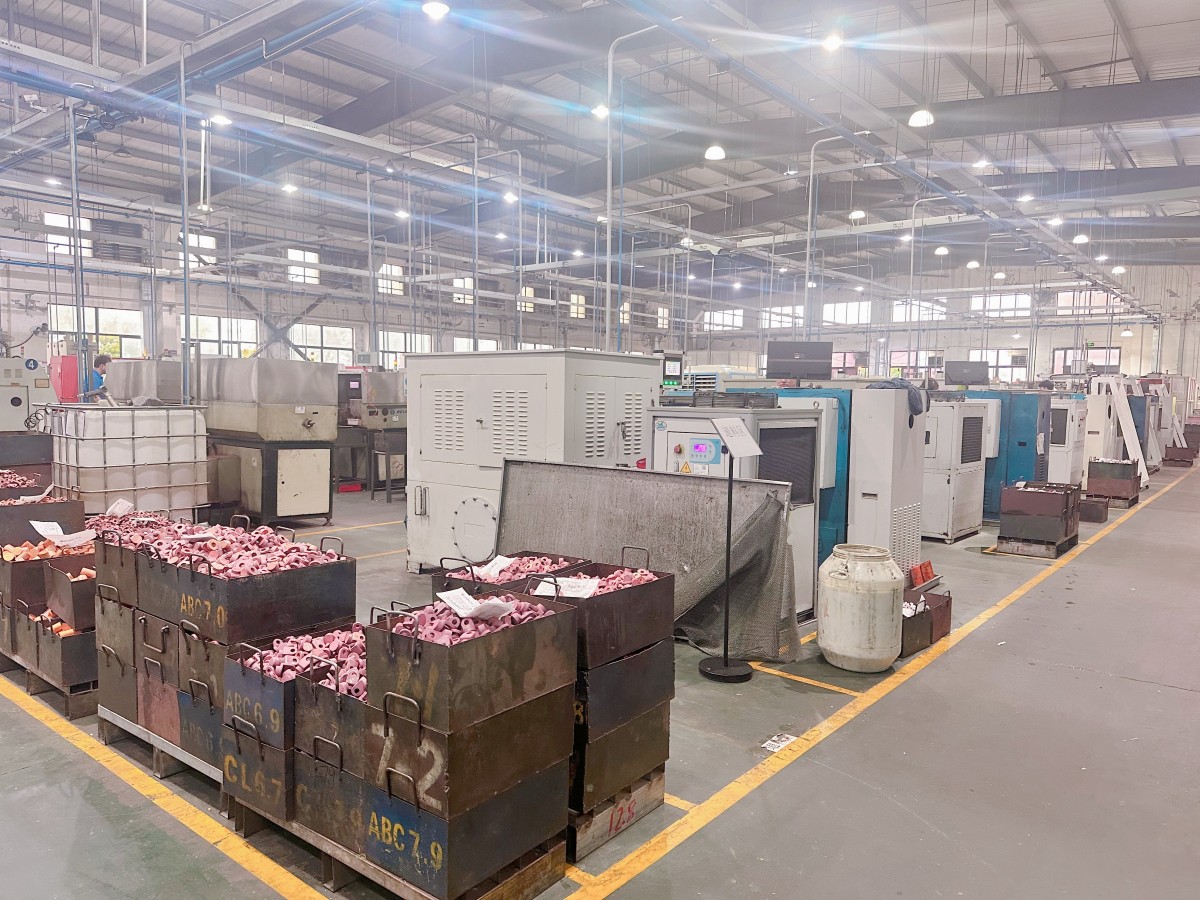
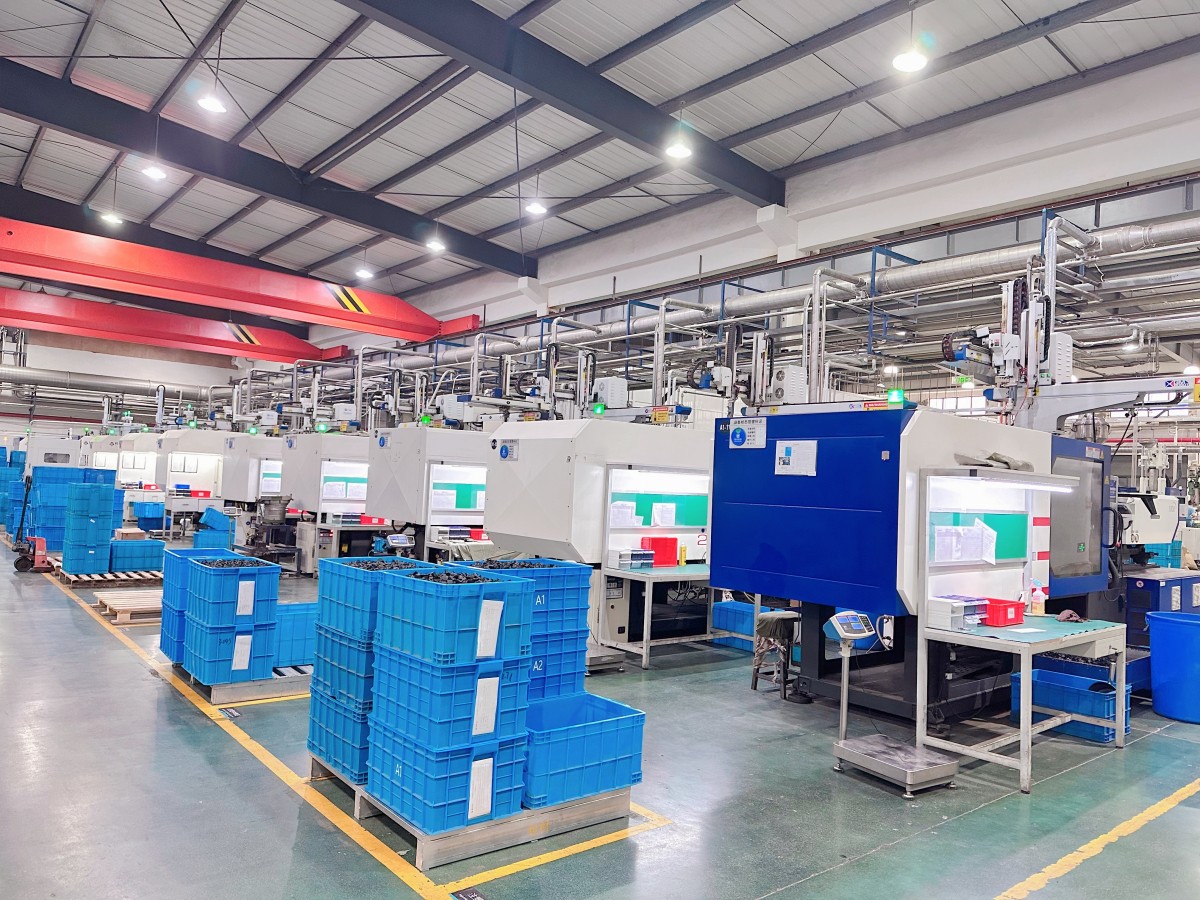
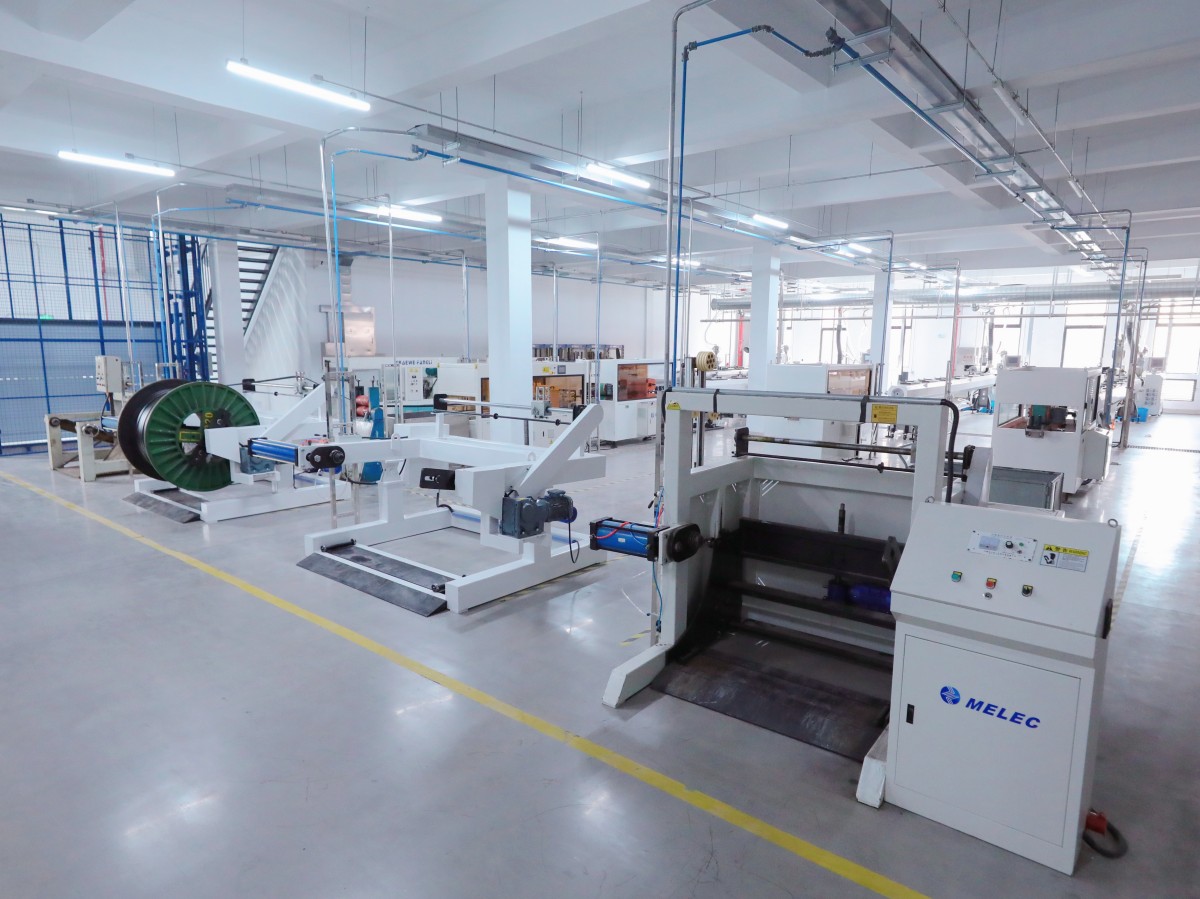
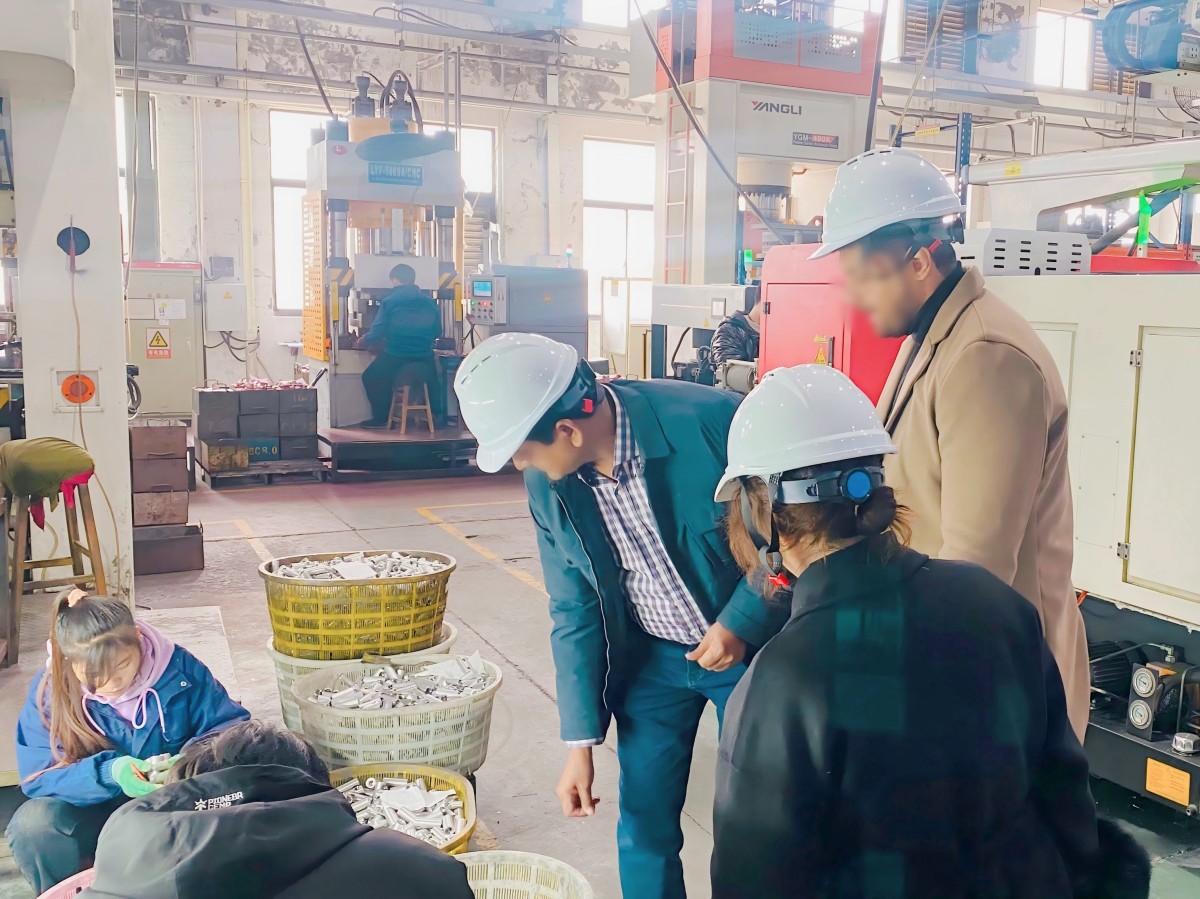
On the production and manufacturing front, the company has invested in over 150 advanced capital equipment units over the past year—including friction-welding CNC machines, precision CNC lathes, five-axis robotic arms, high-tolerance injection molding machines, and Negative pressure expansion machines, etc—to enhance manufacturing capability, precision, and scalability. Concurrently, the company restructured its legacy workshop layout into four dedicated Manufacturing Centers (MC-I to MC-IV), each aligned with a core product family: Cable Lugs & Connectors, ABC Accessories, Heat Shrinkable Accessories, and Cold Shrinkable Accessories. MC-I (Cable Lugs & Connectors) and MC-II (ABC Accessories) remain co-located with headquarters to facilitate agile resource coordination and technical synergy. MC-III (Heat Shrink) and MC-IV (Cold Shrink) have been strategically relocated to Area A, enabling concentrated investment in specialized infrastructure, advanced equipment, and skilled personnel—thereby forming a high-efficiency, scale-optimized manufacturing cluster. As a result, process segmentation has been refined, average production cycle time reduced by 20%, interdepartmental issue resolution time shortened by 35%, and on-time delivery performance improved to 99.2%, reflecting measurable gains in both capacity utilization and supply chain resilience.
Functionally, the company has institutionalized an end-to-end integrated service framework spanning R&D, manufacturing, sales, and after-sales support. Departmental mandates have been explicitly defined and aligned with value-chain accountability:
• The Materials Development Department oversees supplier qualification, strategic sourcing, and raw material supply continuity;
• The R & D Center leads product innovation, design validation, and technical standardization;
• The Manufacturing Center centrally manages domestic and export order execution, capacity planning, and cross-site production synchronization;
• The Quality Center implements a risk-based quality assurance system—including incoming inspection, in-process control, final testing, and nonconformance management—to ensure compliance with IEC 61238, EN50483, IEC60502 and customer-specific requirements;
• The Sales Center serves as the single point of contact for customers, managing demand forecasting, order fulfillment, logistics coordination, and post-sale technical support.
This clear role delineation—combined with standardized cross-functional workflows and shared KPIs—has compressed internal information latency by over 40% and elevated service agility, consistency, and accountability.
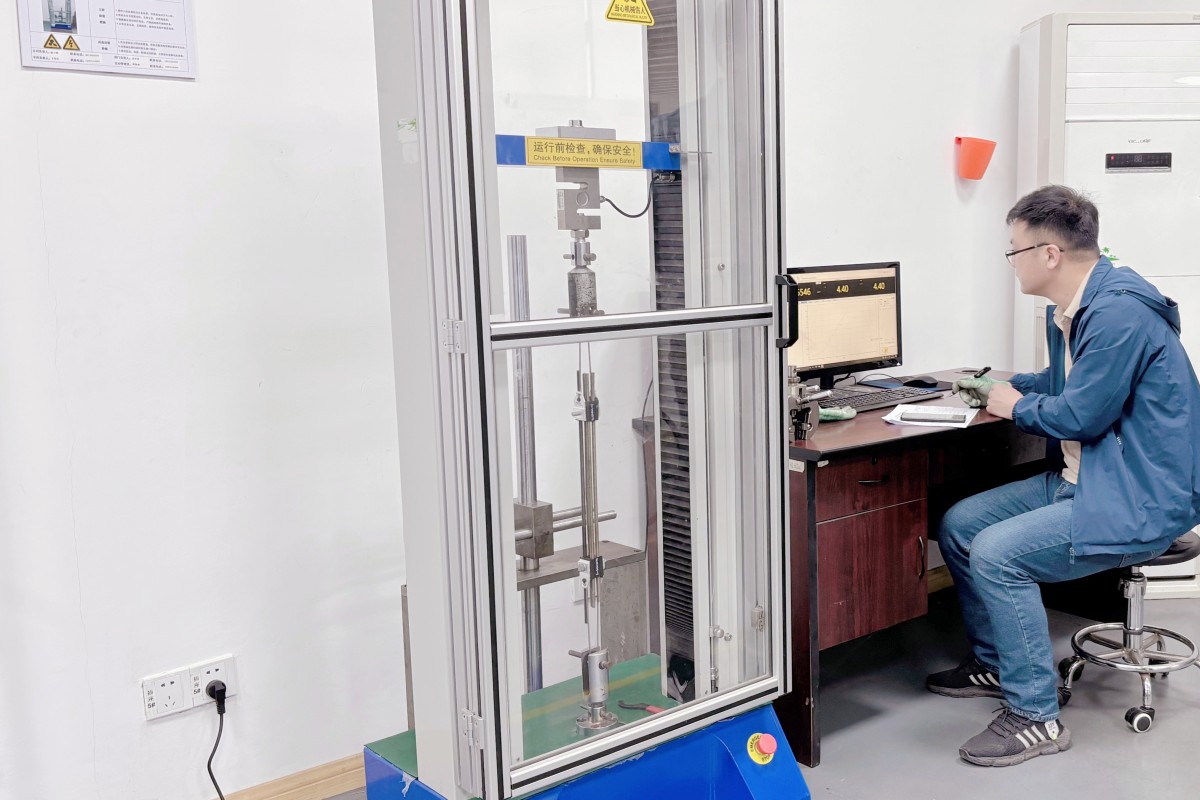
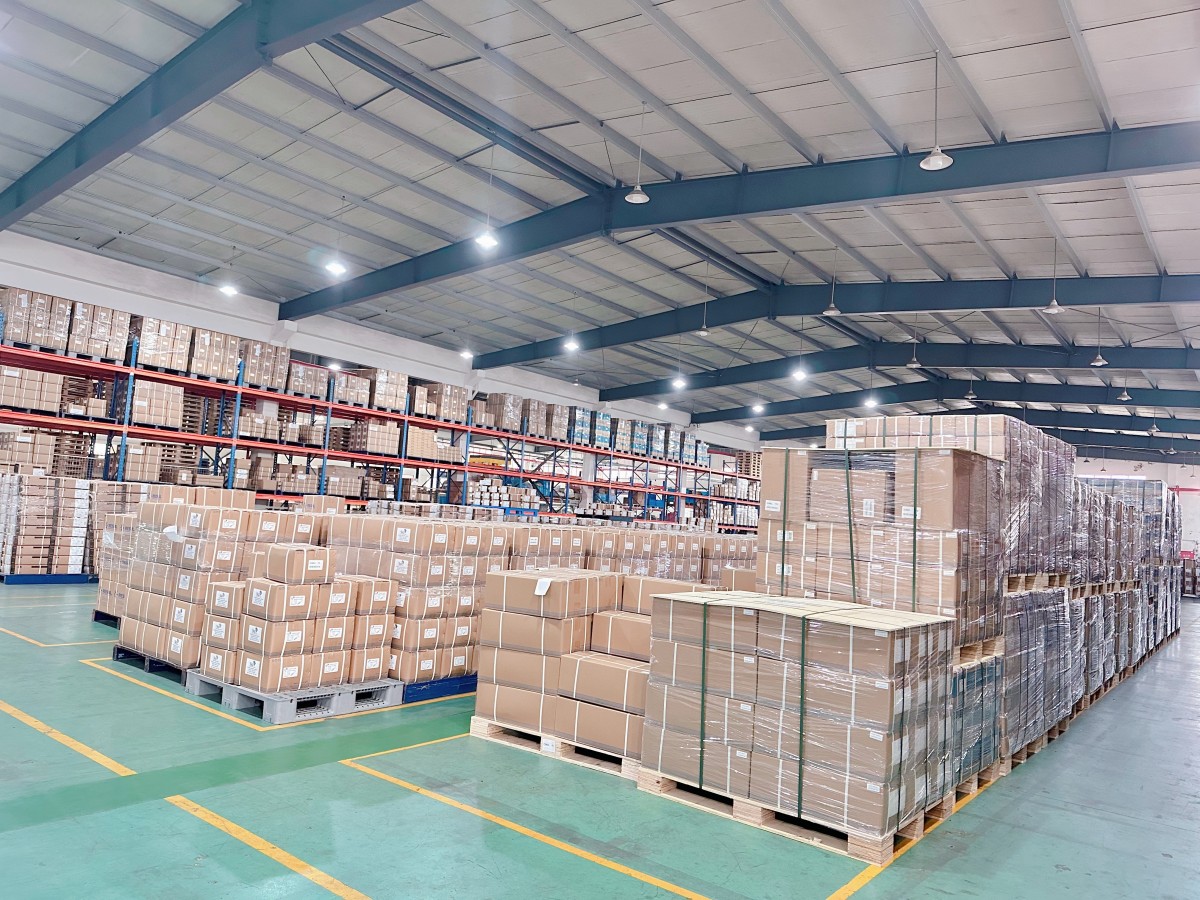
Operationally, the company undertook a systematic review and harmonization of its management procedures across several critical domains: production process control, inspection & testing protocols, data governance and analytics, engineering change management, product identification and traceability, new product development (NPD) lifecycle governance, preventive maintenance of production equipment, internal communication protocols, customer feedback analysis, corrective and preventive action (CAPA) systems, document control, and continuous improvement (CI) deployment. All revised procedures are now fully documented, version-controlled, auditable, and aligned with ISO 9001:2015 and ISO 14001:2015 requirements. These enhancements have not only reinforced quality system robustness and mitigated operational risks but also enabled scalable capacity expansion through predictable, repeatable, and evidence-based decision-making.
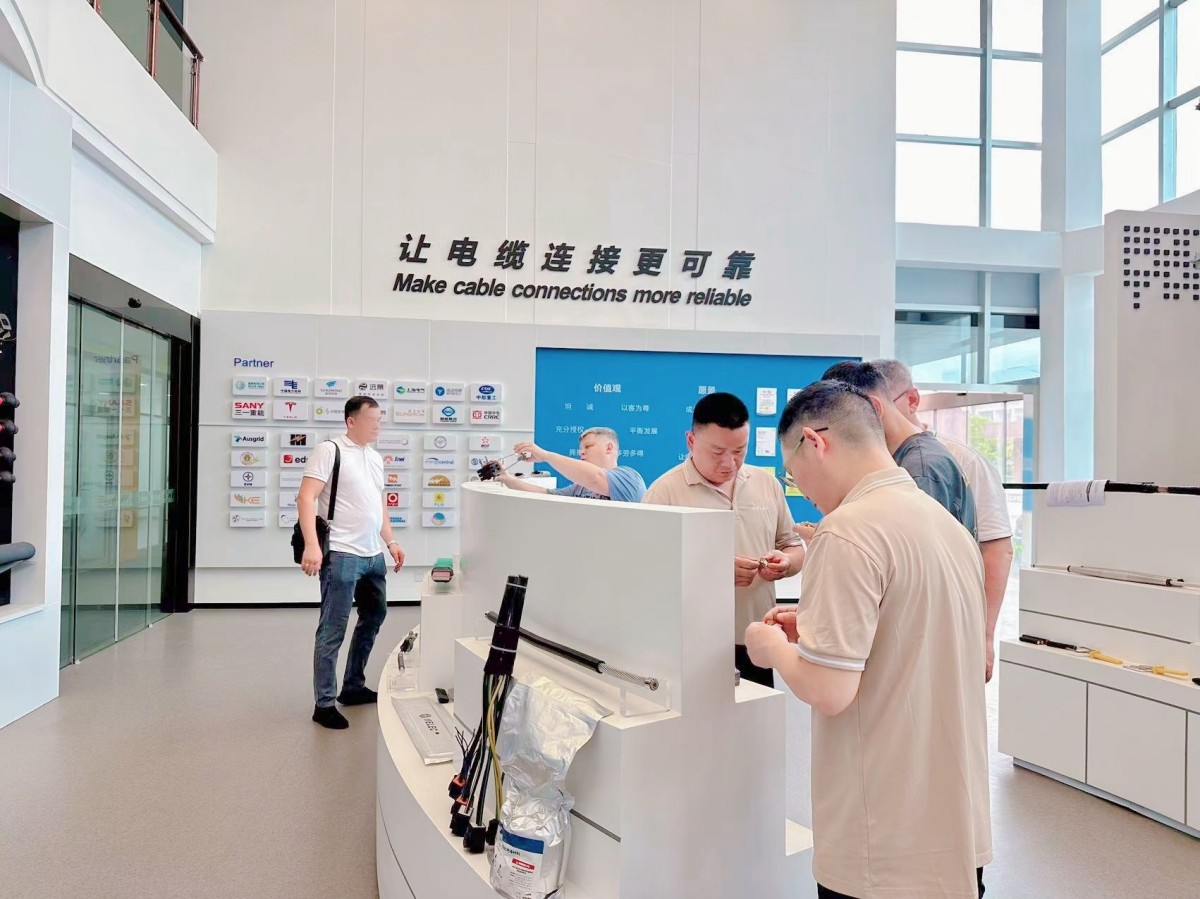
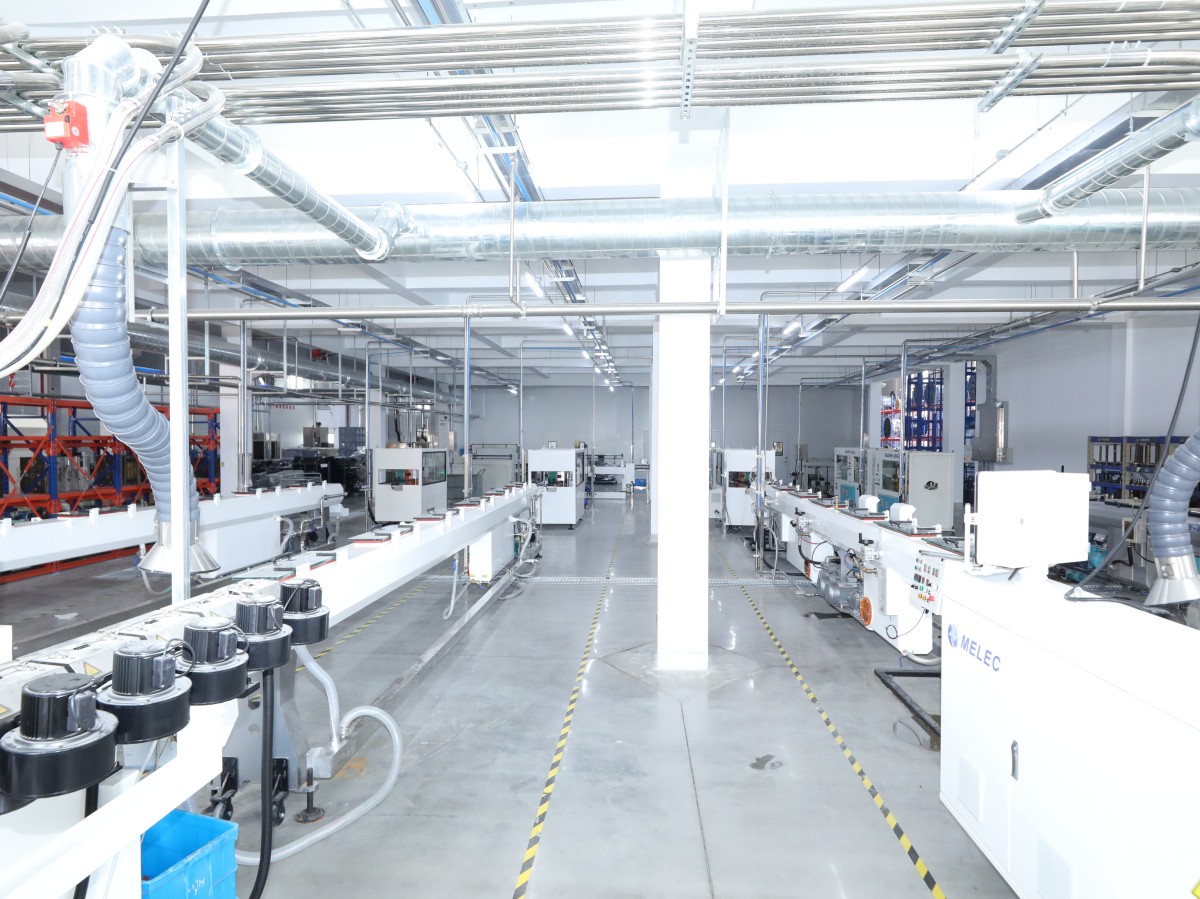
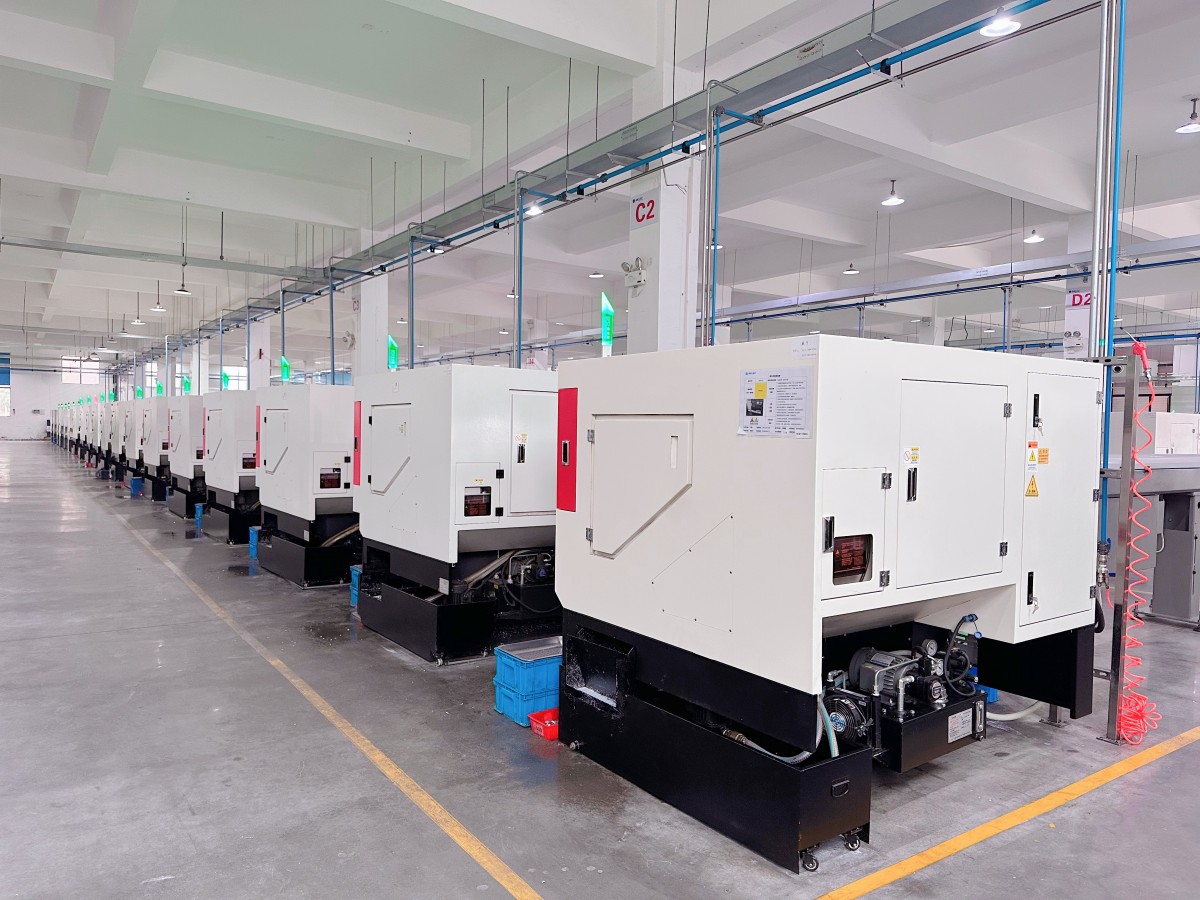
This structural transformation represents a deliberate, strategy-driven evolution—not a reactive adjustment. By realigning physical assets, clarifying functional ownership, and embedding standardized, auditable processes, the company has established a more responsive, resilient, and lean operating model. Going forward, the focus will shift toward deepening cross-functional integration, accelerating knowledge transfer, and systematically converting structural advantages into differentiated product performance, faster time-to-market, and quantifiable customer value—ultimately reinforcing our commitment to delivering world-class power connection and protection solutions.


 +86-21-61656997
 info@melec.com.cn


